
Lelemama: Ngoma Huanza na Lele Artists Interventions
October 20, 2025
Congrats to Rehema
May 3, 2026Lelemama: Ngoma Huanza na Lele Artists Interventions
October 20, 2025Congrats to Rehema
May 3, 2026
Call for Abstracts
Invitation to Contribute to the Anthology Titled:
Stories of Erasure and Reclamation: Revisiting the 1970s intellectual Debates’ Backyard .
Uhenga Collective invites writers, scholars, artists, poets, researchers, and cultural practitioners to contribute to a multigenre and multilingual anthology co edited by Demere Kitunga Diana Kamara and Rehema Chachage, that revisits and reinterprets the Dar es Salaam Intellectual Debates of the 1970s—and their afterlives—through decolonial, and intersectional feminist lenses. This anthology seeks to foreground the erased, silenced, and marginalized histories of women at the University of Dar es Salaam: students, faculty, activists, artists, administrators, cultural workers, international students and their associates whose intellectual labour and everyday struggles remain largely absent from mainstream narratives. Submissions should critically, creatively, and expansively engage with the intellectual and social histories of the University, illuminate the gendered dynamics of knowledge production, and bring forward narratives, analyses, and forms that challenge the exclusions embedded within dominant historiographies. We seek work that expands the ways this history is remembered, unsettles masculinist mythologies, and reimagines liberatory traditions for future generations.
Deadline
15/1/2026
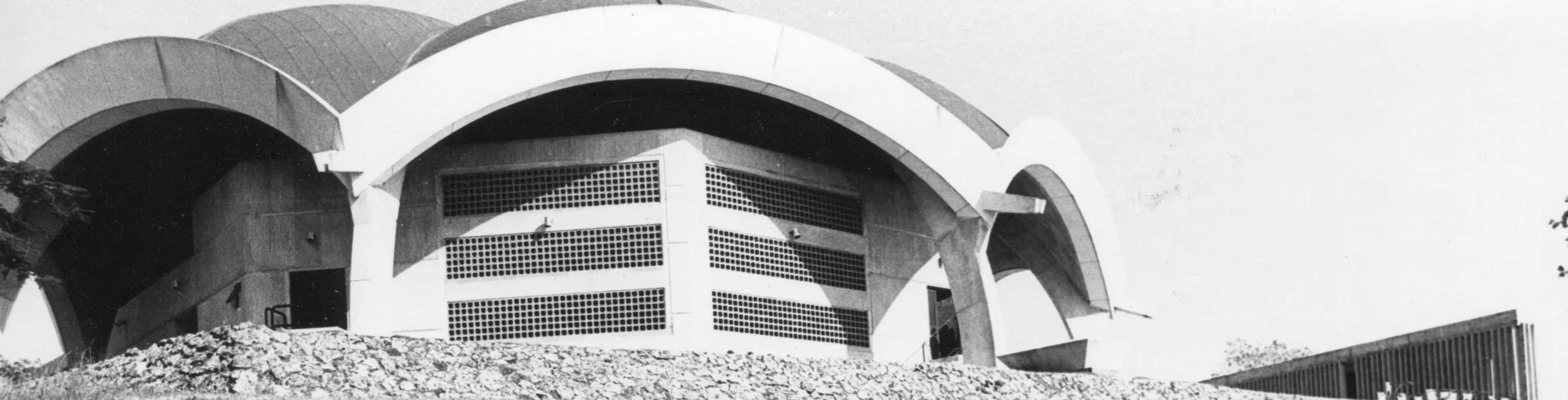
Photo by The Lutheran World Federation, cropped and used under CC BY-SA 2.0.
1. Scope & Themes
We encourage diverse forms of scholarly and creative engagement, including:
- Gendered exclusions within radical intellectual and political spaces
- Women’s visibility, agency, and feminist questions within the 1970s debates
- Feminist organizing, institution-building, and political formations (e.g., WRDP, TAMWA, TGNP)
- The legacy and violence of Punch and other masculinist infrastructures
- Domesticity, care work, intimacy, and the everyday life of women on campus
- Women in the sciences, humanities, law, education, literature and the arts
- Politics of language, translation, genre, pedagogy, and publishing cultures
- Intersections of gender, class, race, ethnicity, and generation
- The roles of international and African women students and faculty members
- Student activism, resistance, and feminist organizing
- Memory, storytelling, and reclamation as feminist method
- Archival absences, silences, distortions, and the politics of remembering
- Counter-publics, theatre cultures, Kiswahili performance traditions, and embodied knowledges
- Creative engagements with figures such as Levina Mukasa, and others rendered peripheral in official histories
Contributions may focus primarily on the 1970s but are welcome to trace continuities into the 1980s–present.
Contributions may focus primarily on the 1970s but are welcome to trace continuities into the 1980s–present.
2. Accepted Formats
- Critical essays (3,000–6,000 words)
- Review essays or commentaries (1,000–2,000 words)
- Conversations or interviews (2,000–3,000 words)
- Testimonies or personal narratives (2,000–3,000 words)
- Poetry, creative nonfiction, or hybrid forms (3–5 pages max ~ 2,000 words)
- Visual or artistic interventions/comics (with short accompanying texts, 1 page max ~ 500 words)
- Satiric/humour intervention (1–2 pages ~ 1,000 words)
- Map-making, archival reproductions, or lexicons (subject to discussion)
3. Languages
Submissions are welcome in English, Kiswahili, or both. Contributors are encouraged to write in the language that best honours the stories, theoretical framings, or cultural contexts they engage.
4. Referencing & Permissions
- Use Chicago (author-date) style for citations.
- Contributors working with archival materials, photography, or institutional documents must secure reproduction permissions where required.
- Oral histories or interviews must include consent statements.
5. Submission Process
Please submit the following:
- Proposed contribution (Abstract word limit 500 words)
- A short bio (100–150 words)
- Contact details
- Statement of language preference for editing
6. Timelines
- Abstracts/draft proposals due: January 15, 2026
- Feedback on Abstract: February 6, 2026
- Final submissions (after acceptance of abstract) due: April 15, 2026
- Editorial feedback: Two weeks after submission
- Final revisions: June 15
Note:
Contributions should primarily engage with the 1970s, while allowing for reflections on continuities into the 1980s–present. We particularly encourage work that connects personal memory with broader political culture, and that foregrounds Kiswahili or other local languages.
This anthology seeks to cultivate a collective intellectual reckoning—one that honours women’s knowledge, refuses erasure, and reimagines liberatory traditions for future generations.
We especially welcome early-career writers, feminist researchers, and/or storytellers working across genres. We also invite submissions of previously published works, provided permission for republication is secured.