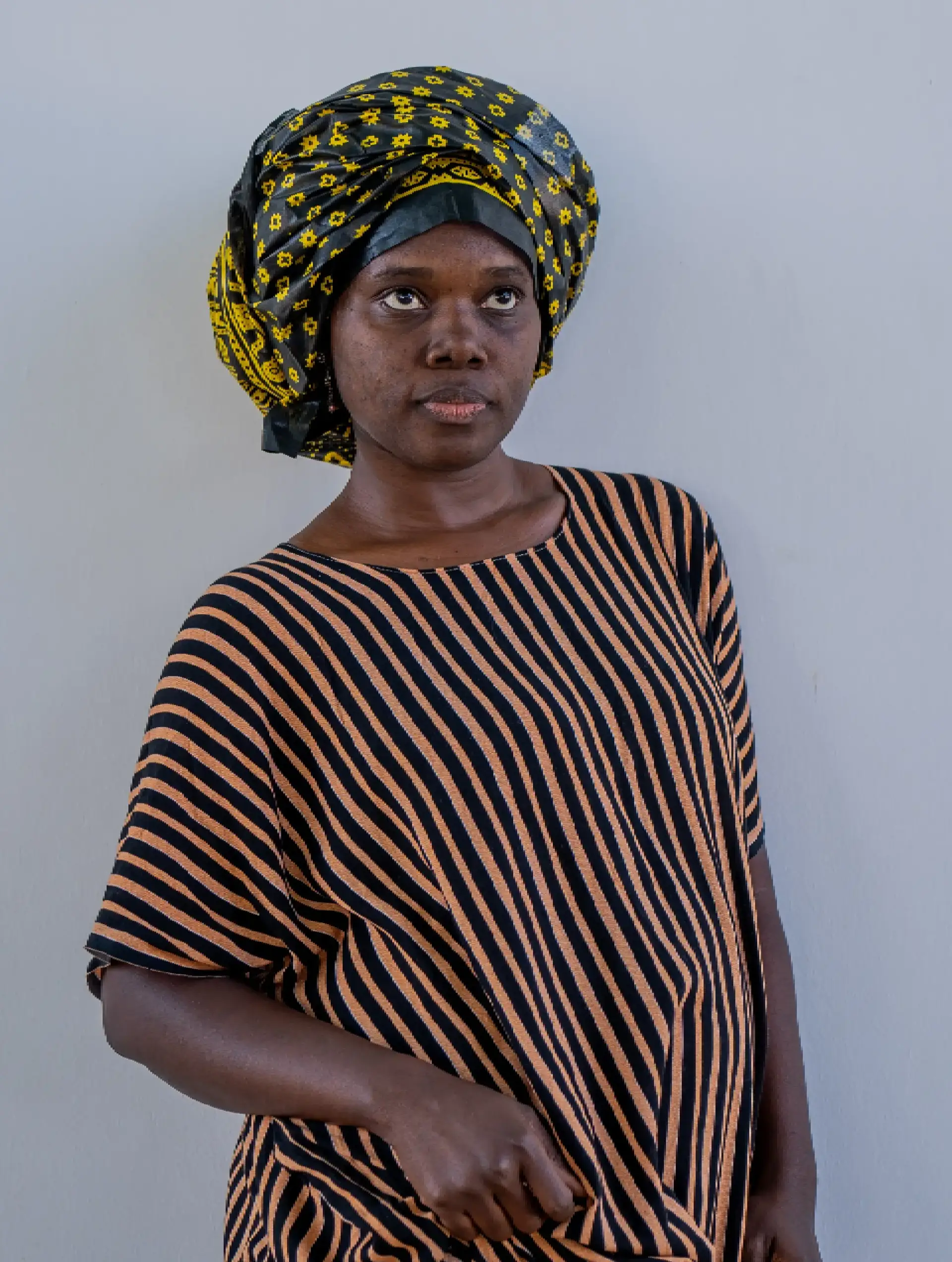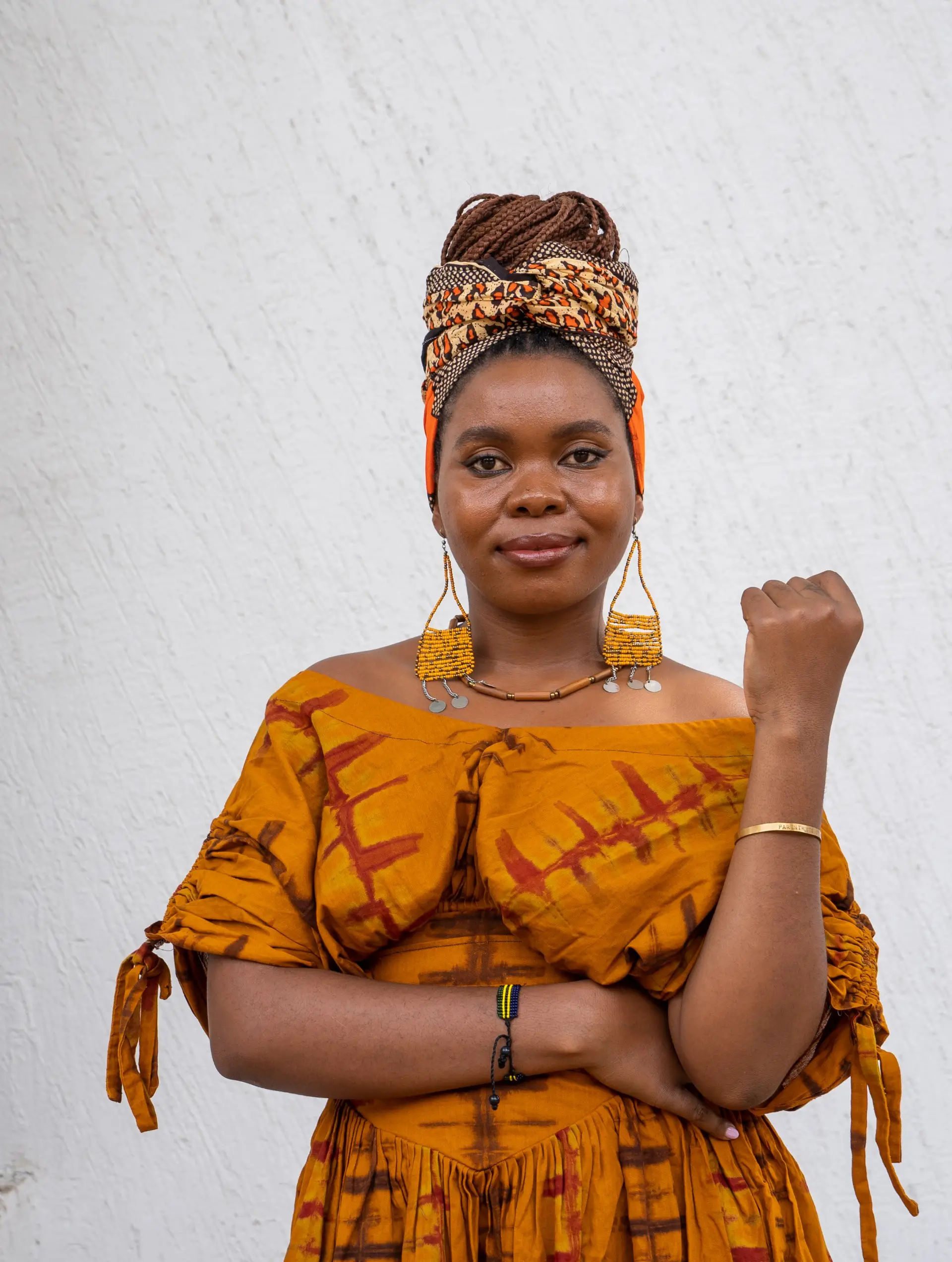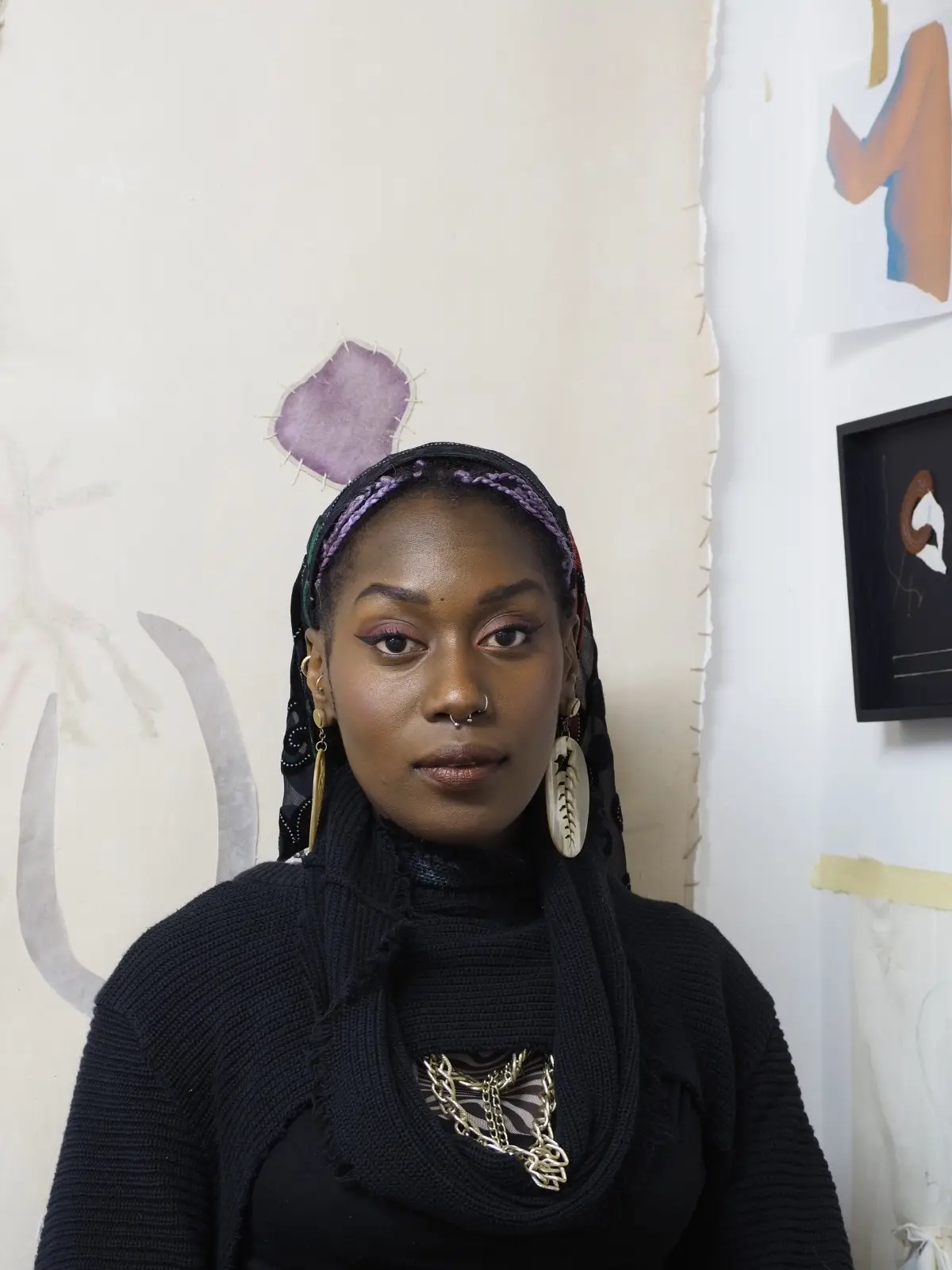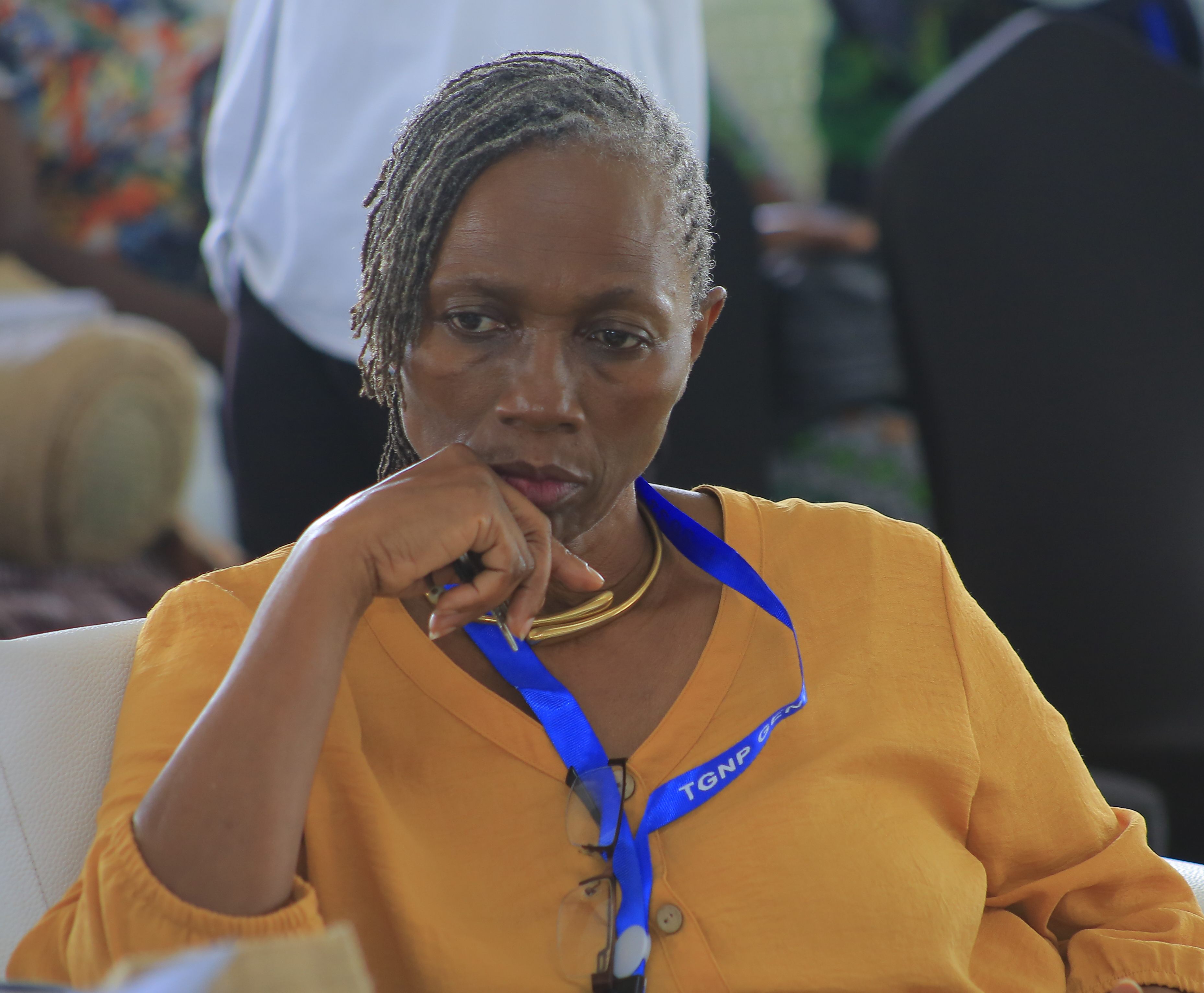
Get to know members of Uhenga Collective
Current members.
Demere Kitunga.
Rehema Chachage.
Valerie Amani.
Diana Kamara.
Getrude Malizeni
Nanguma Fryer
Diana

Diana Kamara
Researcher
PhD candidate at Makerere Institute of Social Research. She has M Phil in Social Studies (2019) from Makerere University and MA in Fine Arts (2015) from the University of Dar es Salaam. Her research interests include gendered readings of African fashion and textile. She is a painter, a poet, essayist and an African textiles enthusiast. In the last four years she has been creating and sharing khanga selfies on social media not only to claim African textile space on the internet but also to celebrate Swahili visual and literary heritage.
Getrude

Getrude Malizeni
Film Maker, Visual Artist, Curator
Gertrude Malizeni is a creative filmmaker, multidisciplinary visual artist, and curator whose practice centers storytelling as a form of documenting and archiving the lived histories of women. She primarily uses film, installations, painting, and photography. Her work listens closely to women laboring in informal spaces, bringing into view forms of care, endurance, and sustenance that hold communities together. Often maternal in nature, this labor feeds, moves, and nurtures everyday life, yet remains unseen, unvalued, and systematically ignored. By placing these women at the center, her work resists erasure, challenges patriarchal economies of visibility, and insists on recognition for lives and labor that have long been normalized into silence.
Her practice was primarily built at Nafasi Academy, where she participated in the Contemporary Visual Arts Program in 2019 and later joined Ajabu Ajabu Audiovisual House(AA) as a founding member. Here, her interest in storytelling from an African perspective developed as AA focuses on the African filmmaking, presentation, and preservation. In 2021, she was part of the UANI Residency, which was a research project on traditional ways of knowledge sharing between women of different generations, traditional ways of healing, culinary, and womanhood. This residency shaped most of her current ways as it built interest for her to observe deeply the informal spaces existing in her communities, which gave birth to her ongoing project Mama Mishe - a project exploring women's informal labour, the weight these works carry, and the society's view on the work. 2021 - 2024, she actively engaged in producing her films and collaborating with others - the films produced include: Apostles of Cinema, Kwenye uwepo wa Mwanamke, Mama Mishe, Nuru, Nzowa, and many others. In 2025, she participated in the TFMB Thought Leadership Mentorship Program as a mentor, sharing my creative knowledge with the younger generation. She also participated in the Uhenga project, Lelemama, which was exploring the early women who fought for freedom hand in hand with Nyerere and paved the way for the current generations of feminists.
In this collective, Getrude brings in her creative practice as a contribution to the bigger picture of telling our African stories in our own lens as a way of reclaiming our voices and changing narratives for the coming generations.
Valerie

Valerie Amani
VIsual Artist
Valerie Asiimwe Amani is a Tanzanian anti-disciplinary artist, writer, and researcher whose work explores the intersections of story, memory, myth, and belonging. Drawing from oral traditions, feminist thought, and spiritual ecologies, her practice examines how the political, domestic, and intimate intersect in everyday life and are carried, transformed, and shared across generations.
Working across installation, textiles, performance, video, writing, and participatory research, Amani's practice engages rituals and storytelling as sites of inquiry, using myth-making to approach narratives of resistance, taboo, displacement, and collective imagination. Considering how stories survive, shape identities, and create possibilities for different futures.
Alongside her artistic practice, Amani works across creative direction, public programming, facilitation, and cultural production. She previously served as Visual Arts Manager at Nafasi Art Space and has supported artists and creative communities through mentorship, project development, and collaborative learning initiatives. She has also worked as an artistic facilitator for the British Council's CollabNowNow programme, fostering exchange and dialogue between emerging creatives across the continent.
Within the Uhenga community, Amani has contributed to projects including Uliza Wahenga Dada, where she served as an artist liaison and facilitator supporting participating artists and creative practitioners, and as a contributor to Nitakujengea Kinyumba. These experiences continue to shape her commitment to community-centred storytelling, collaborative knowledge production, and feminist approaches to cultural preservation.
Her writing has appeared in Texte zur Kunst, The Architectural Review, and the Journal of Theatre, Dance and Performance Training among other publications. Her artistic work has been presented internationally, including at Zeitz MOCAA, the Tanzanian Pavilion of the 61st Venice Biennale, and the Guggenheim with BodaBoda Lounge. A recipient of the 2022 Ingram Prize and the 2023 Foundwork Art Prize, Amani is currently completing a practice-led doctorate at the Ruskin School of Art, University of Oxford as a Clarendon Scholar.
Demere

Demere Kitunga
Writer ◦ Facilitator ◦ Curator
Rehema

Rehema Chachage
Artist ◦ Writer ◦ Researcher
Rehema Chachage works with and through multimedia/multisensory installation, image, sound, olfactory elements, and text. Rooted in divergent and decolonial perspectives, her research-based, process-oriented, and community-centered practice which spans artistic, pedagogical, and curatorial domains. She develops and teaches courses exploring non-canonized, alternative, and embodied forms of knowledge, foregrounding practices that emerge from collective, relational, and everyday practices. Her curatorial projects often function as research platforms, enabling communal participation, dialogue, and co-creation. Across her artistic, teaching, and curatorial work, Chachage focuses on alternative and non-canonized knowledge, with an emphasis on knowledge that is community-centered and generated; on togetherness and community building as a means of survival; on forms of subversion and refusal that emerge from the mundane and everyday; and on the idea of continuity through citation, naming, and renaming, arguing that citation is a means for repair, re-membering, and, more importantly, refusing erasure.
Nanguma

Nanguma Fryer
Administrator